Ingredients
The ingredients of malt whisky are simply barley, peat, water and yeast.
Water
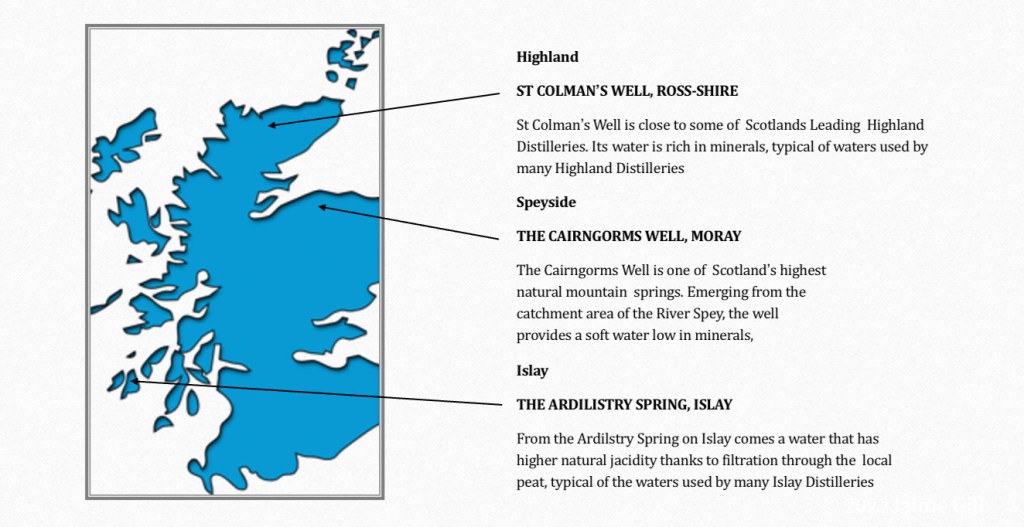
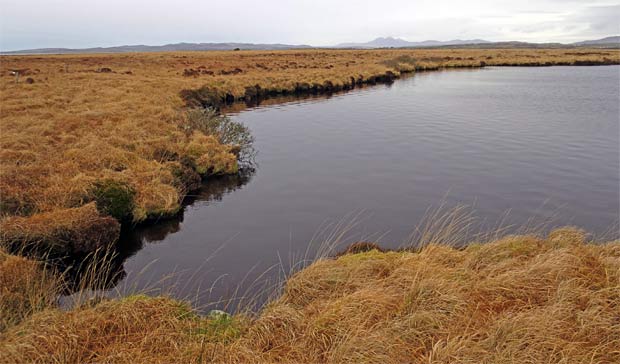
The first process in whisky making is finding a plentiful supply of water. Scotland has some of the purest water in the world. Most distilleries are built on good reliable water sources, which can be springs or boreholes. Each unique water source adds to the character and flavour of the whisky. Water used for distillation generally has little, if any, treatment other than a filtration, before being fed into dam or pump house.
In areas of the Highlands and especially Islay water will have travelled through peat earth, which gives a brown taint and distinctive flavour to it. This can give a hard quality to the water and many distilleries will use a form of de-ionisation to treat the water. This removes impurities such as mineral salts and leaves a high purity water although many distilleries use hard water as they say it gives a distinct character to their whisky. Water is used in all aspects of production of whisky from malting to mashing and for reducing alcoholic strength.
Barley
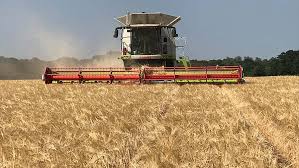
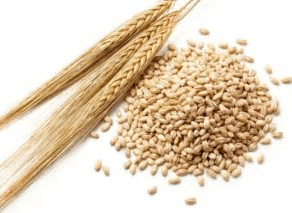
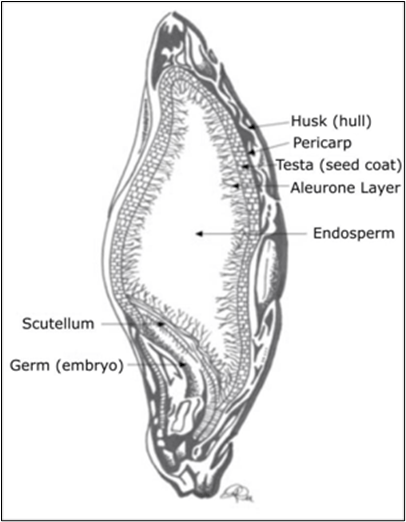
Barley forms the foundation of making whisky. Traditionally, barley was grown on site at the distillery or purchased locally from farmers. Over the years more economically viable ways were developed in the production of barley. Maltsters took over the growing and malting process in large-scale processes selling bulk quantities of malt back to the distillers. Distillers have the important job of picking quality barley for production; this plays a big part in the final quality of the whisky.
In 1965 a revolutionary barley was developed called Golden Promise, its hardy, fast maturing and superior malting attributes made it the choice barley for distillers for nearly twenty years. Up until then the class of barley had been rather mediocre. Towards the end of the 20th century new varieties of barley had been bred with all the attributes of Golden Promise but giving higher yields, popular examples are Optic and Chariot.
Barley still continues to be a very important part of whisky to this day and is a very important source of income to the farm.
Yeast
To produce ethanol needed for distilling, yeast is required. Yeast is an active compound, which is in the Fungi family. Yeast is added to the mash where sugars such as glucose, maltose and malt triose are present. The yeast through fermentation converts the sugars into ethanol and carbon dioxide.
and heat, but in this process flavours are created.The yeast continues breaking down sugars and proteins to amino acids – the building blocks of flavours.
Eventually, the sugar is used up and the yeast dies. Distillers can hold onto the wash in the washback before sending it to the stills, as more flavours are being generated.
A whisky distiller wants a yeast which doesn’t clump together and will cope with high sugar content, is temperature-tolerant, and can continue to work in a relatively high-alcohol environment. This means that all the sugar will be converted to alcohol and also that there are no lumps of yeast cells in the wash which might burn onto the steam coils in the still and produce acrid aromas. The chosen strain must also be able to convert sucrose, glucose, fructose, as well as maltose and also be able to
tolerate alcohol levels of 8-9% abv in single malt.
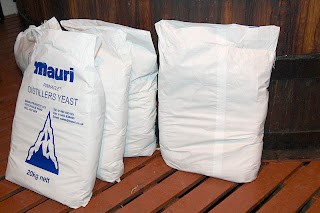
The preferred yeast in the distilling industry is Brewer’s Yeast.
 welcome to the art of whisky